The Right Technique
Wet vs Dry Cut
At Apgujeong Hair Studio, we are dedicated to delivering exceptional results with skillful techniques. Our expert stylists have mastered both methods, ensuring that every client receives a superior haircut.
Whether your hair benefits from the precision of a wet cut or the natural elegance of a dry cut, our skillful stylists guarantee you walk out looking and feeling your best.
Technique 01
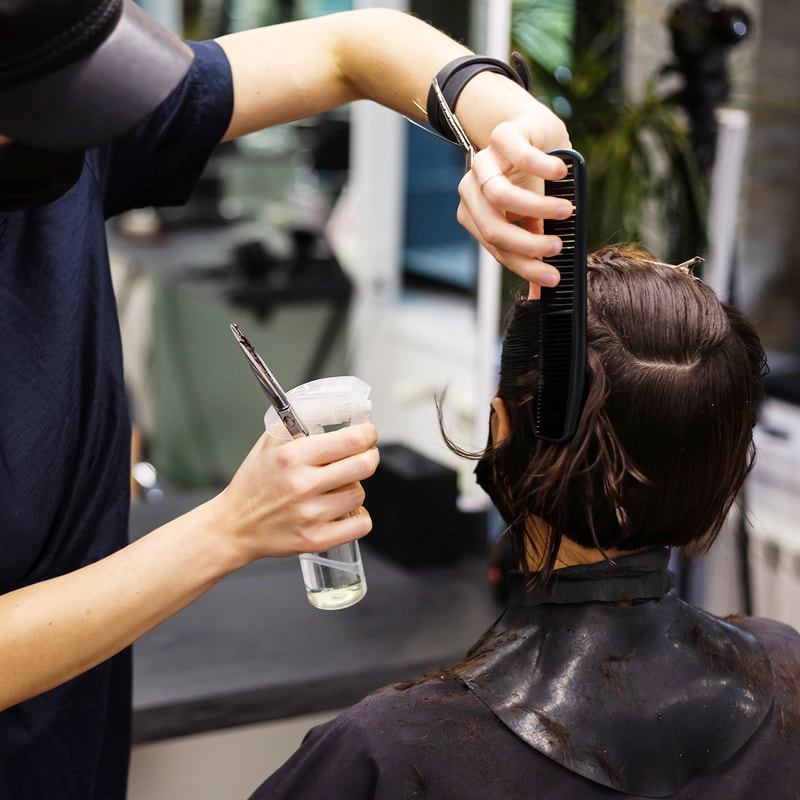
Dry Haircut Explained
A dry haircut involves cutting hair while it is completely dry, often used in specific cases, such as for those with really curly hair who need texturizing or fine-tuning. This technique helps stylists enhance natural curls and achieve more precision when adding texture or finishing a cut. However, dry haircuts are generally not recommended as the first step in a haircut, particularly for styles that require a clean foundation and precise shaping.
When To Choose It
When to Opt for a Dry Haircut
Dry cutting is ideal for clients with very curly or wavy hair who seek more defined texture or refinement after the initial cut. It allows the stylist to see exactly how the curls will fall naturally and make adjustments without the hair stretching or behaving differently when wet.
Dry cuts can be challenging for hair that contains product, such as gel, mousse, or hairspray, as the product can interfere with the stylist’s ability to achieve clean results.
Technique 02
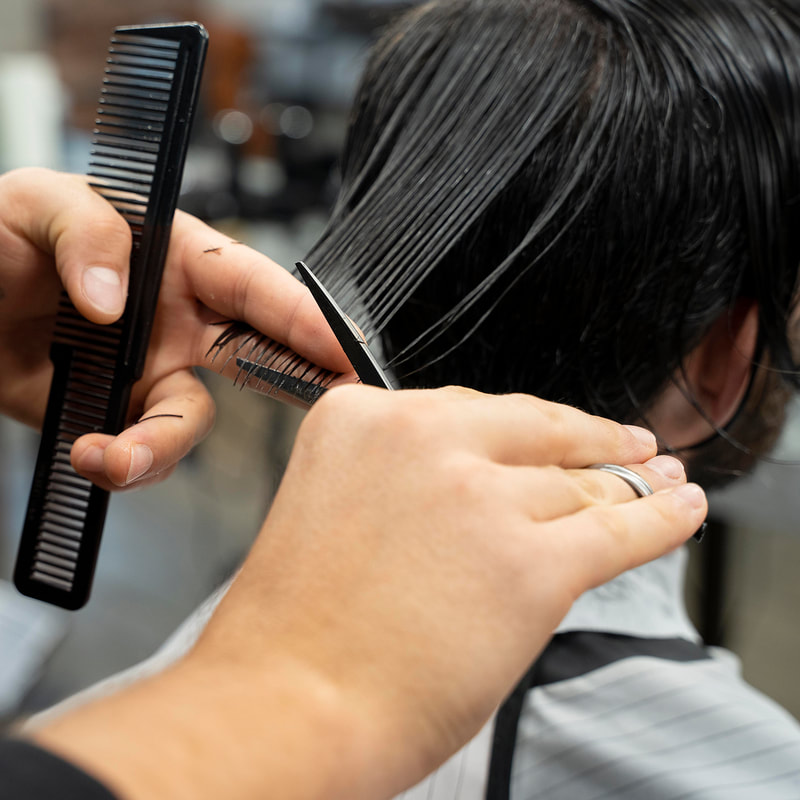
Wet Haircut Defined
As the name suggests, a wet haircut is performed on damp hair. Although the hair shouldn’t be soaking wet, it should be sufficiently damp to facilitate smooth cutting. For straightforward cuts like a blunt bob or boxy style, cutting wet hair may be preferable.
Advantages of Cutting Hair While Wet
Cutting hair when it’s wet offers the advantage of achieving precise lines without being concerned about the natural movement of the hair. It’s generally considered easier and more popular than dry cutting.
The Verdict
Is Cutting Hair Dry or Wet Better for You?
The choice between wet and dry hair cutting techniques comes down to the specific results each technique yields. Consider three key factors: your hair texture, the haircut style you want, and how you plan to style your hair.
Dry cutting allows you to observe how your hair naturally falls, making it an option if you have curls or other textures that change when wet.

For Curls & Texture
Hair Types Suitable for Dry Cutting
If your hair falls on the coily end of the spectrum, a dry haircut is typically recommended. This method allows your stylist to work with your hair’s natural texture and pattern, enhancing its shape and definition.
For Fine & Straight Hair
Hair Types Suitable for Wet Cutting
A wet haircut is often the ideal choice if you have thin or fine hair that falls on the straighter side. Note that when your hair dries, the cut will appear slightly shorter than when it was wet.